We’ll row 3000 miles across the Atlantic Ocean in Dec 2026
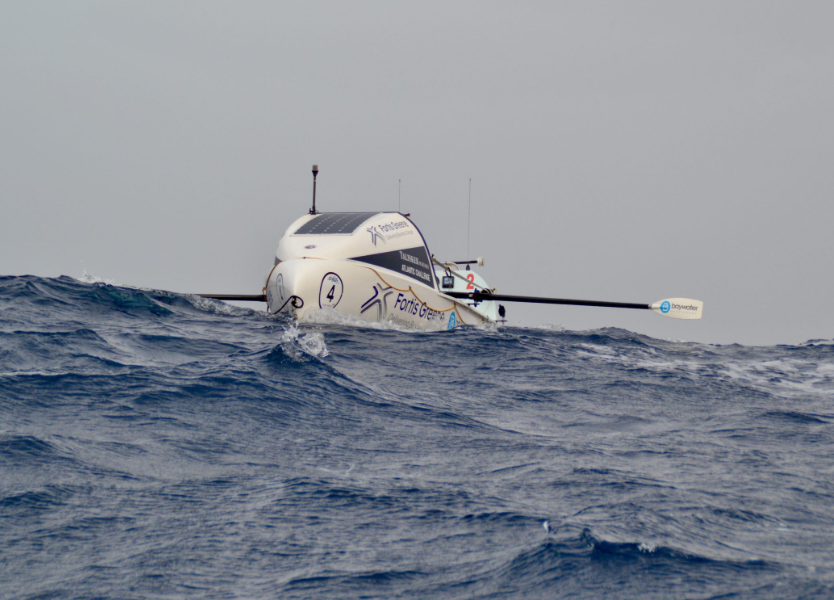
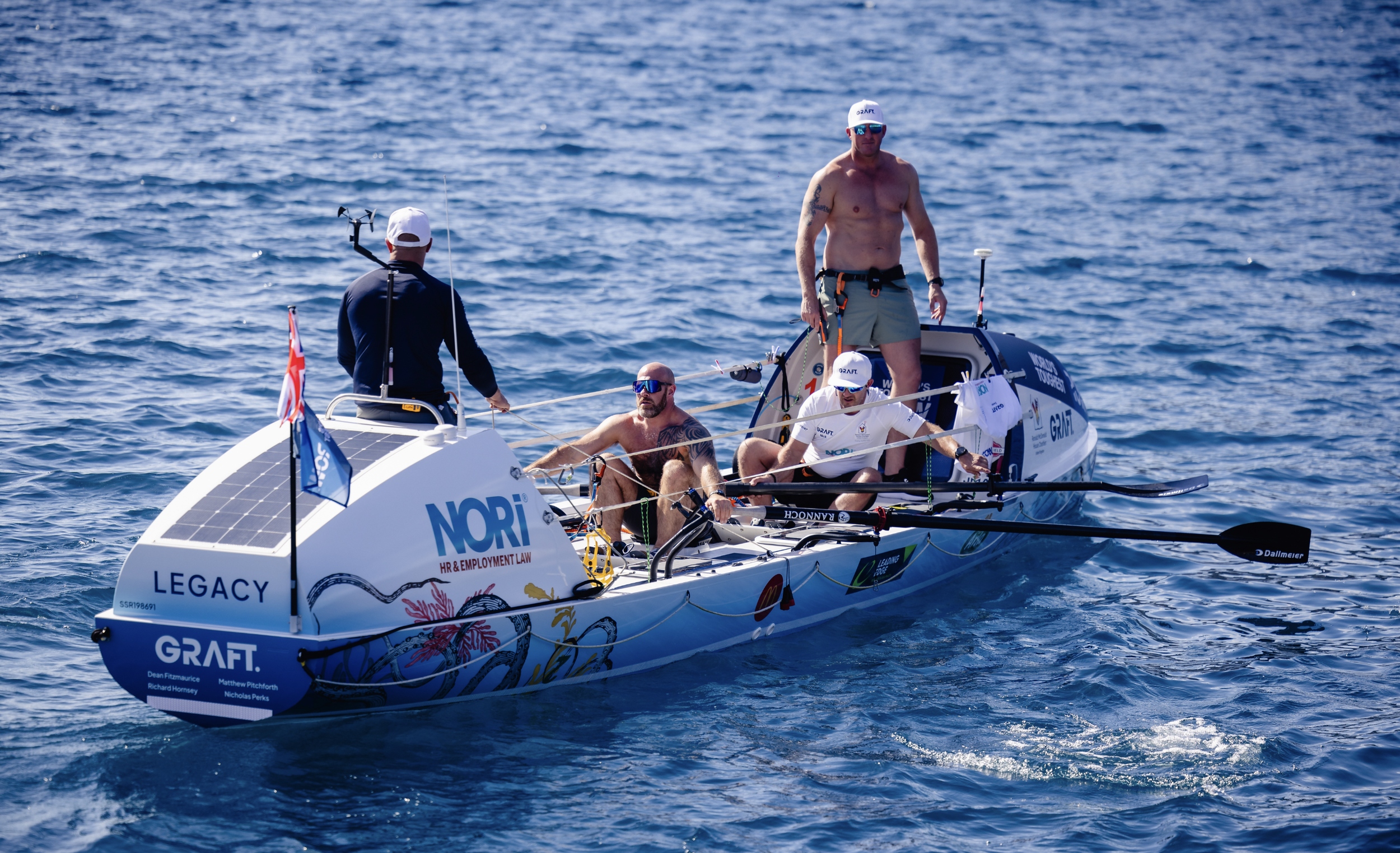
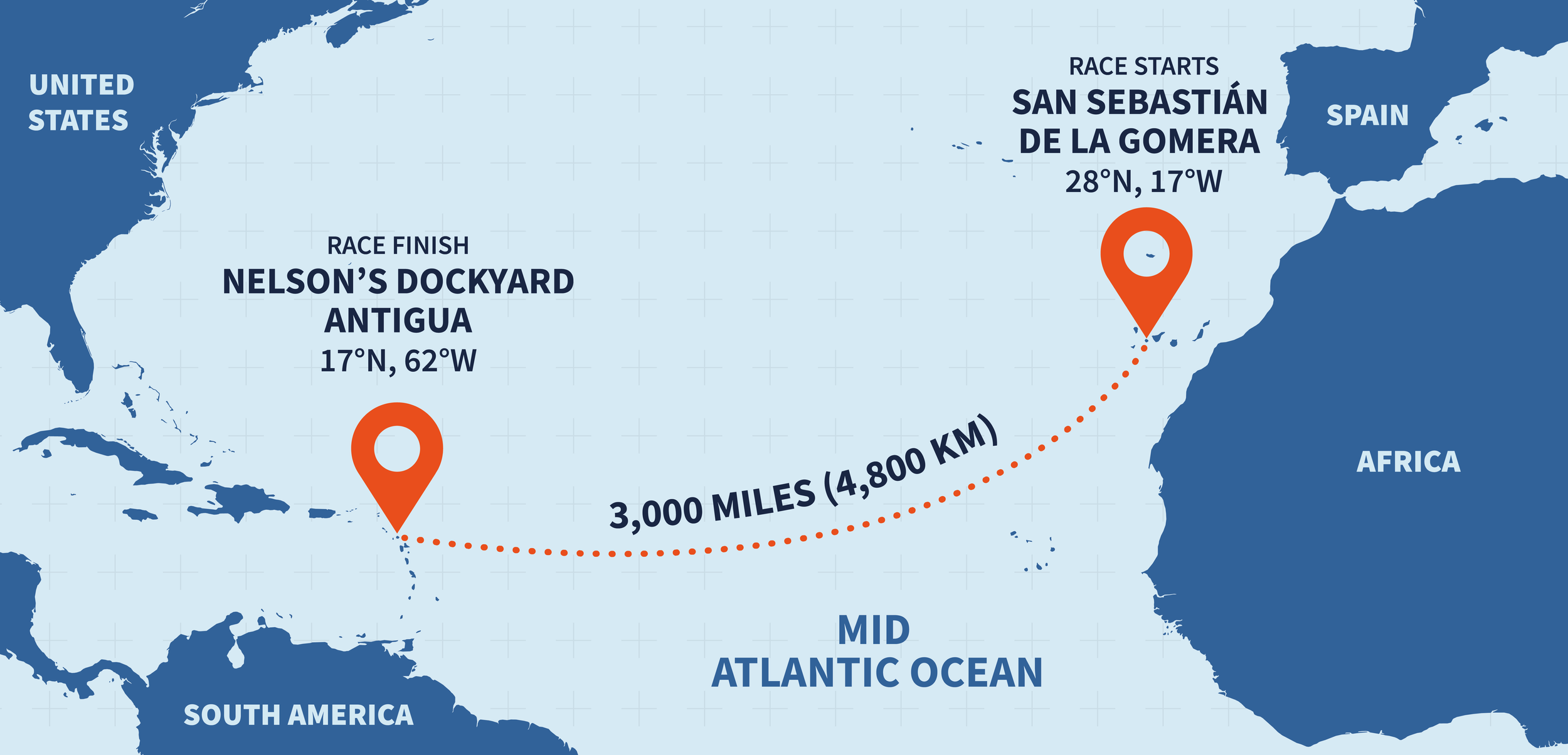
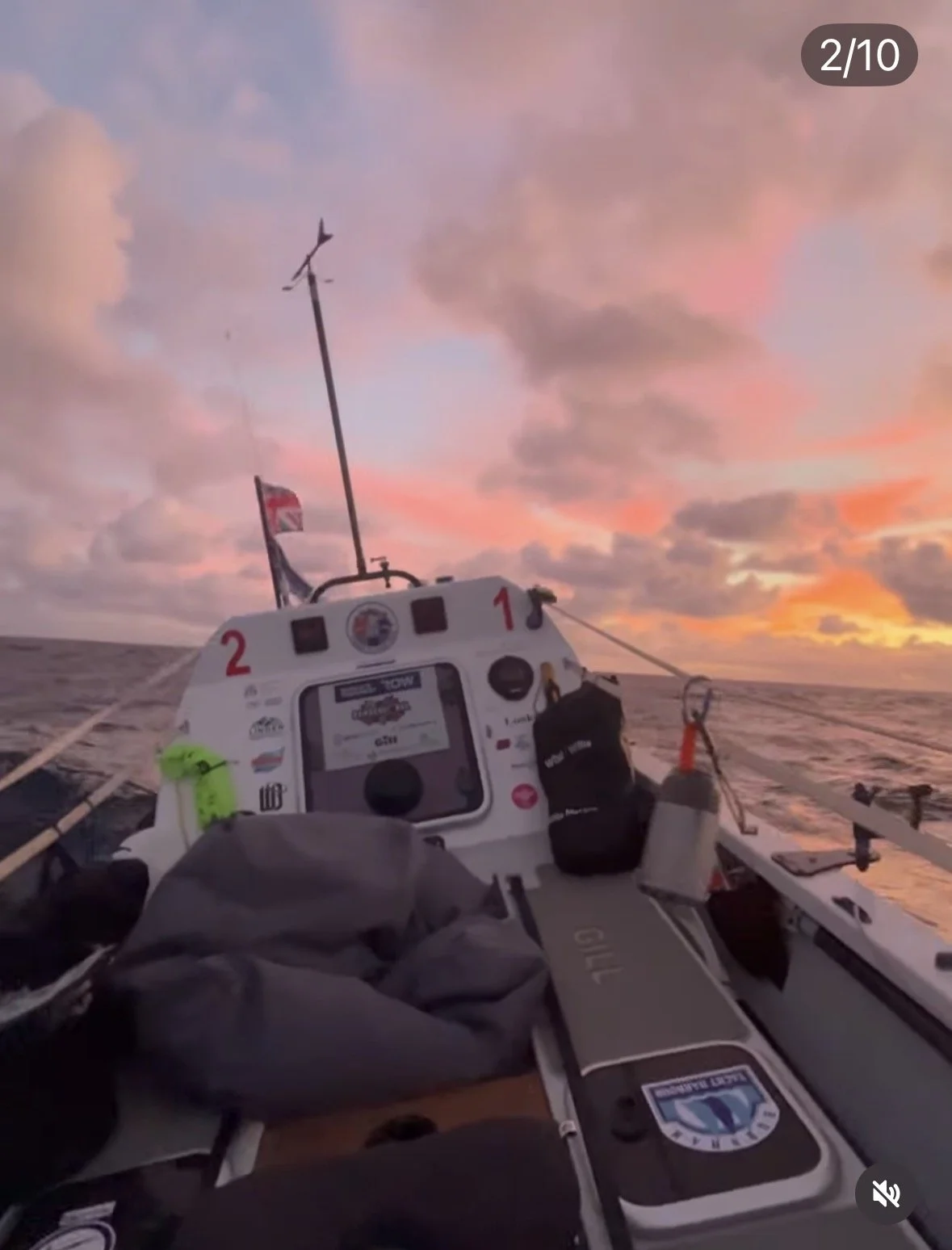
On Dec 12 2026 we will row away from La Gomera, a small island in the Canaries. We’ll have all the food, water, kit and spare parts for the 40(ish) days we expect to be rowing…all the way to Antigua. Our boat ‘Legacy’ is an RX45 designed and built for this very purpose, by Rannoch Adventure.
Here’s a few fascinating facts about the Worlds Toughest Row:
Rowers cover around 3,000 miles
The World’s Toughest Atlantic rowing race takes rowers roughly 3,000 miles (4,800 km) from La Gomera in the Canary Islands to Antigua in the Caribbean, following historic trade wind routes once used by Christopher Columbus
Crews row 24 hours a day
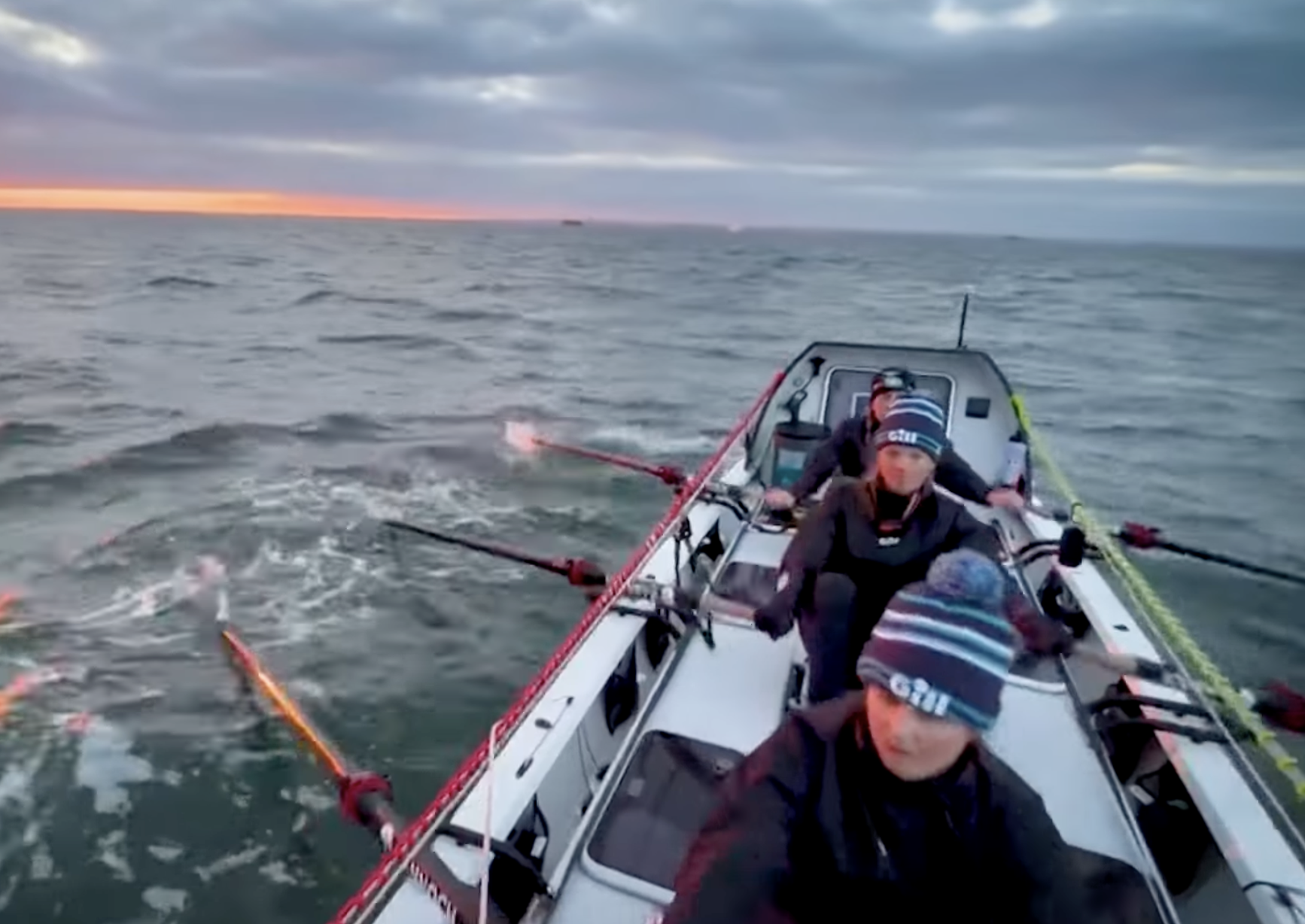
Teams row continuously, usually in two-hour shifts on / two-hour shifts off, day and night, for anything from 30 to 90+ days depending on weather, boat speed, and crew size. Sleep deprivation becomes one of the biggest challenges
Boats are tiny and brutally exposed
The ocean rowing boats are only about 8 metres long, less than 2 metres wide, and include a cramped cabin just big enough to lie down in. There’s no toilet - just a bucket - and rowers are exposed to waves that can reach 20–30 feet or more
Burning 5,000+ calories per day
Rowers typically burn 5,000 to 6,000 calories every day -sometimes more - while battling heat, humidity, seasickness, and salt sores. Maintaining body weight is nearly impossible, and significant weight loss is common.
Ordinary people regularly take part
You don’t have to be an elite athlete. Participants have included teachers, accountants, doctors, parents, and first-time rowers - many of whom had never rowed competitively before signing up. Determination often matters more than experience
Navigation is old-school and digital
Crews use GPS tracking, weather routing advice, and compass navigation, but must still make constant judgment calls about winds, currents, and storms—sometimes choosing between rowing extra miles or risking dangerous conditions
Safety systems are crucial - but limited
Each boat carries emergency beacons, satellite trackers, and communication devices, allowing organisers to monitor positions. However, rescues can still take days, reinforcing how self-reliant crews must be
Most crews row for a greater cause
The majority of teams raise money for charities, often linked to health, mental wellbeing, the environment, or education. Collectively, the race has generated tens of millions for charitable causes since its inception.
World records are still being broken
Despite the race’s brutal nature, records continue to fall. The fastest four-person Atlantic crossing was achieved in 29 days in 2018, while solo and women’s crew records have been smashed multiple times in recent years